By Torrie Long
•
March 2, 2026
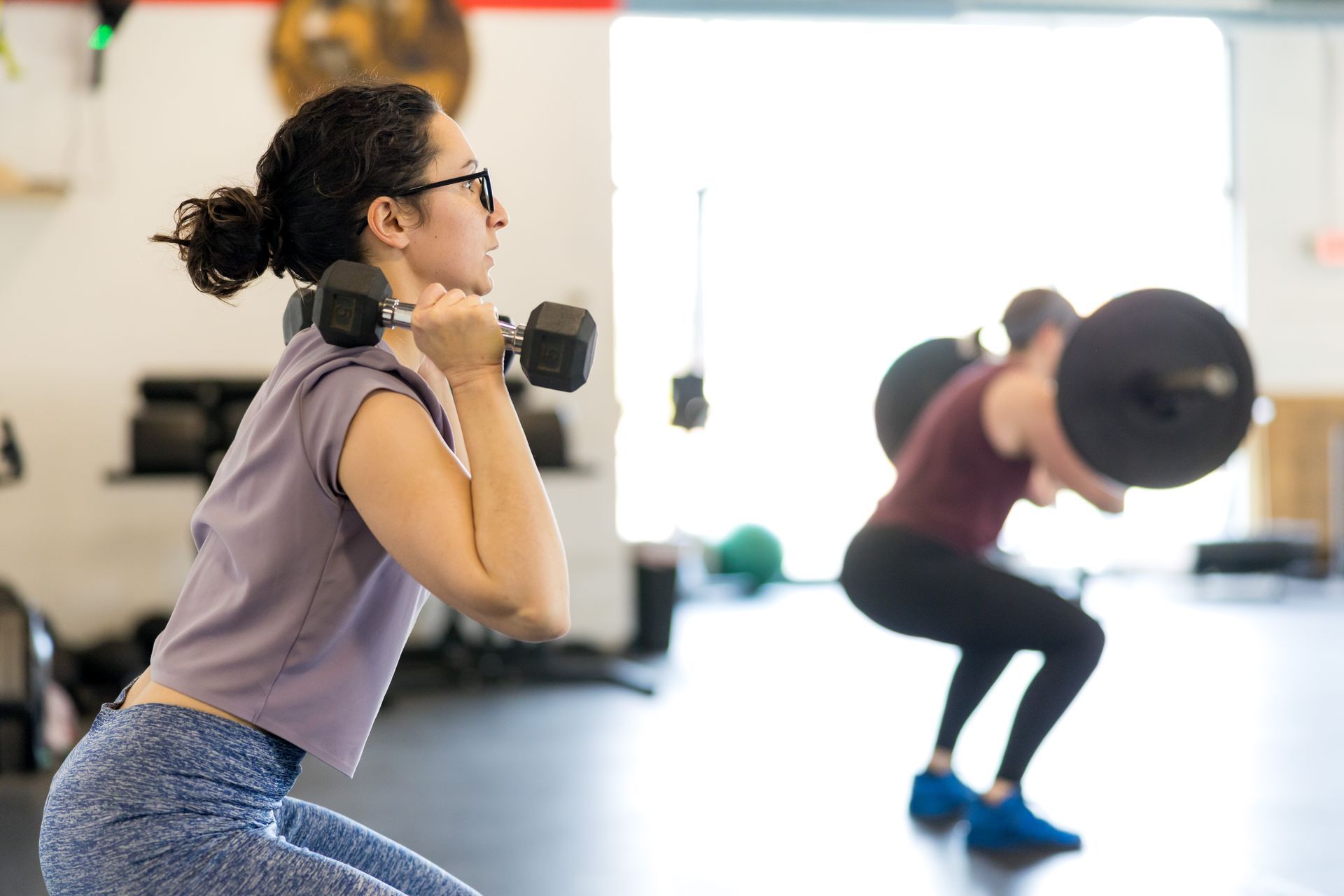
Someone recently asked why I lift heavy weights, and it took me a minute to really think about it. There are the health benefits, such as increased muscle mass to help manage a hereditary predisposition toward diabetes and high blood pressure, and stronger bones as I creep ever closer to age 40 and perimenopause. When I really think about it, though, that’s not what keeps me coming back under the bar every week. I told them, “Honestly, there is something really empowering about looking at a person and knowing I can pick them up.” Being who I am as a person, I was a bit tongue-in-cheek with my response, but there is a basis of truth to it. As a woman who grew up in the ’90s and early 2000s, there was always this tension between being a strong, independent person and allowing men to assist with carrying things or opening doors for me. Don’t get me wrong—there is nothing wrong with asking for help when needed. But what if I didn’t need help carrying that bag of dog food to my car? What if I could go to Ikea and load that flat-packed desk onto my cart and into my car on my own? That opens up a whole lifetime of opportunities without being dependent on another person to do the things I want to do. Something amazing happened when I started training for strength and stopped training for aesthetics: I stopped chasing confidence and started building it. Strength training changed the way I relate to my body as the amazing machine that it is. Confidence doesn’t come from motivation—it comes from evidence. Have you ever thought to yourself: “Once I feel more confident, I will go to the gym.” “Once I lose weight, I will like my body.” “Once I know how to exercise, I will trust myself.” Here’s the secret: confidence doesn’t come first. Learning how to train and building a cache of objective evidence does. In training, evidence can look like: Finishing a workout you once thought was impossible Moving without pain for the first time in years Deadlifting more weight than you ever have before Showing up even when motivation is low Every single rep is a data point: My body can do hard things. Belief in myself and my body comes from repeated proof of what I am capable of. This is why strength training is such a powerful tool for building confidence. It provides repeated, measurable, and objective feedback about what I can do. And capability builds confidence faster than aesthetics ever will. Strength training builds trust in your body—not just muscle. As a certified strength and conditioning specialist and personal trainer, these are things I hear regularly from people when we begin working together: “My body can’t do what it used to.” “I’m afraid I am going to hurt myself.” “I’ve failed at this before.” “I can never do that.” Strength training helps flip the narrative. Instead of seeing my body as something to fix, punish, or shrink, I treat it as a partner in living life to the fullest. Strength training teaches body literacy - understanding what I am feeling, what I am capable of, and what I need. How to brace my core (what even is the core?) How to squat, hinge, push, and pull How to recover How to respect fatigue How to progress wisely That is functional confidence: I know what my body can handle. This carries over into daily life: Carrying groceries feels easier Stairs don’t feel threatening I move with certainty I know I can move through life without second-guessing myself This is what long-term physical health actually looks like: trust in my own physical movement. Training-based confidence is durable. Aesthetic-based confidence depends on external factors outside of my control: Lighting How my clothes fit that day Comparison to those around me Outside validation Meanwhile, training-based confidence depends on skill, consistency, work capacity, and progress over time. One bad week or one missed workout cannot erase that progress because it’s built on experience, not image. This is especially important for long-term health. If your confidence is tied to how you look, aging feels like failure. If your confidence is tied to what you are capable of, aging becomes something you can train for. This means a shift in how you approach the gym and your training. If your goal is to build your fitness regimen and confidence through movement, your program should prioritize progressive overload, skill development, sustainable intensity, and coaching with constructive feedback. Progressive overload means systematically increasing the intensity of your workouts. This gives clear, measurable progress points. Heavier lifts, greater volume, and increased work capacity are all examples of progressive strength development. Skill development is just that - building comfort with movements such as squatting, hinging, pressing, pulling, and carrying. Skills create independence and agency. Sustainable intensity means you do not need to be crushed in every training session. You need training that is repeatable for weeks, months, and years. Push your limits in a way that empowers you but allows you to come back the next time. Consistency beats “winning the workout” every time. Coaching and feedback are paramount as you start your strength training journey. Confidence grows faster when someone helps you understand how to move well and highlights your progress along the way: what has improved, what to work on, what matters, and what is just noise. A coach who partners with you and provides constructive feedback keeps your training and mindset on track. Strength training builds confidence through skill, consistency, and evidence. If you chase strength and skill development, consistency in your training, and long-term health, confidence shows up—perhaps quietly, but reliably, without permission from a mirror or dependence on how you feel day to day. If you are starting your fitness journey (or maybe thinking about restarting) ask yourself, “What can I teach my body to do?” As you seek to answer that question, you may just discover what real confidence in your body feels like. Reach out to set up your No Sweat Intro session with me (or find a local trainer you resonate with). All of us started somewhere, taking that first step into the gym and trusting someone to teach us how to move a barbell or use a piece of equipment. We thrive on teaching you to become the strongest, most confident version of yourself.