Your Fitness Goals Should Change as You Age
March 30, 2026
What most people don't realize about fitness - your goals should change as you age
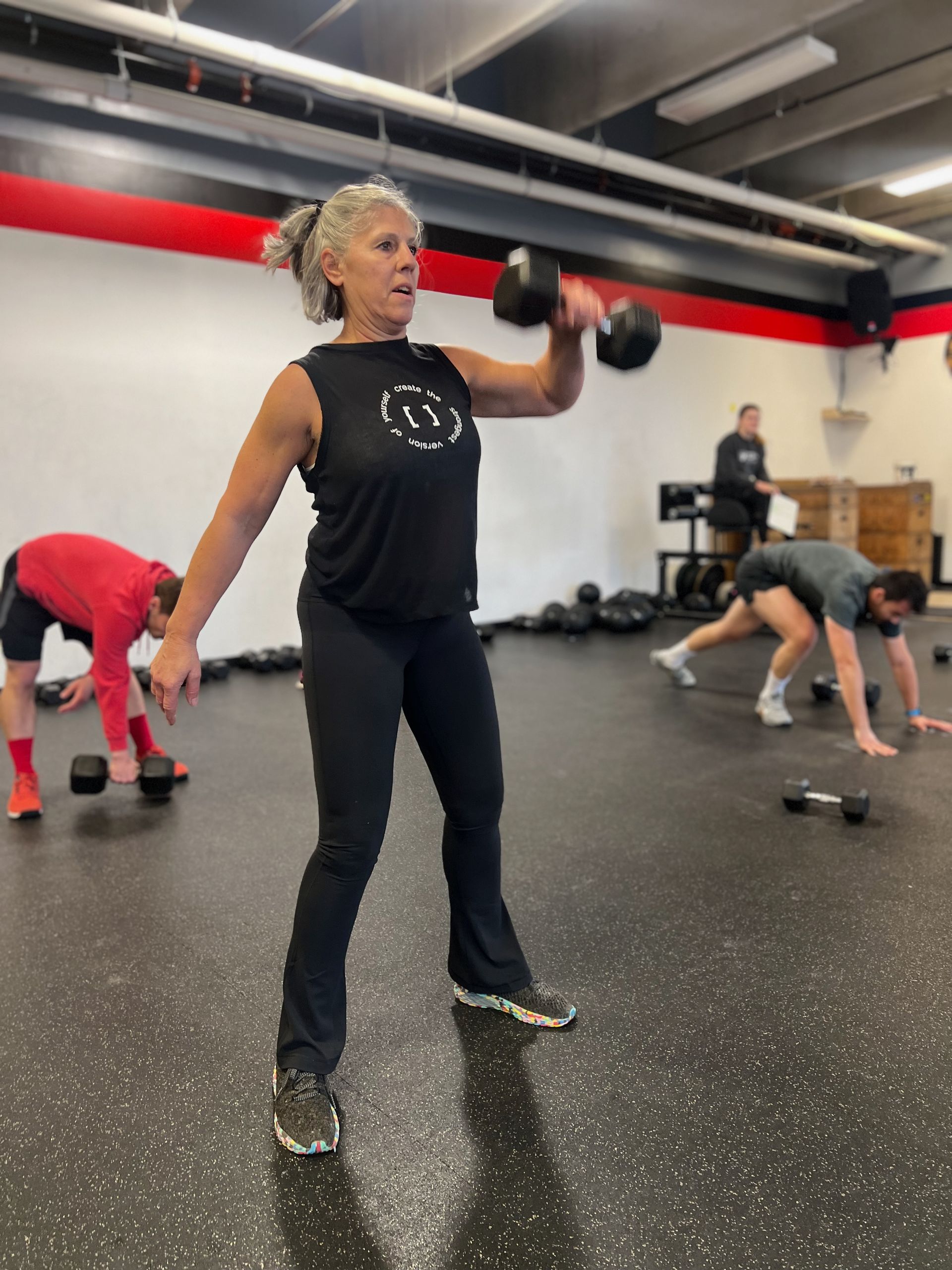
A 42-year-old walks in to a gym (no this isn't the start of a bad joke) and starts training exactly the way they did at 24. Same workouts and intensity. Same expectations about how it will feel and the results they will receive. Then, when it stops working, they assume something is wrong with them or that "it's all downhill now."
In Your 20s: Performance and Appearance
Here's the truth: nothing is wrong with you. The problem is that your fitness goals never evolved with your lifestyle. Fitness isn’t meant to stay frozen in time. It’s more like a long road trip than a single destination. The scenery changes. The terrain shifts. And if you keep driving like you're still on the highway when the road turns into mountain switchbacks, things get messy.
As we age, our responsibilities and priorities change. Our bodies
change and our fitness goals and routines should shift, too.
The Problem: Doing the Same Workouts Forever
Most people start their fitness journey in their 20s when the goals are often simple and loud:
- Build muscle
- Look good
- Lift heavier weights
- Run faster
- Challenge your body
There’s nothing wrong with those goals. In fact, they’re great motivators. Bodies in their 20s are still fresh and learning how to use their full potential. They recover quickly and are surprisingly tolerant of the abuses we throw at them. You can stay up late, eat questionable food, sleep five hours, and still crush a workout the next day.
But eventually, life begins adding a little… mileage. Careers grow, families expand, and sleep becomes a precious commodity. Yet many people keep chasing the exact same training goals they had years ago and frustration begins to creep in.
Workouts that once produced dramatic progress start producing soreness, fatigue, and the occasional mysterious knee noise that sounds like stepping on bubble wrap. And no, it’s not because you’re “getting old.” It’s because you’re using a strategy designed for a different stage of life.
The Shift: From Performance to Longevity
As you move through life, the purpose of fitness slowly evolves. It often follows a pattern like this:
In Your 20s: Performance and Appearance
Your focus is usually external. Bigger muscles, faster times, beating personal records, and maybe even visible abs. You’re exploring your physical limits and discovering what your body can do. It’s exciting, competitive, and sometimes a little reckless—in the best way.
In Your 30s: Balance and Sustainability
Life becomes busier. You might still love intense workouts, but now they have to coexist with work schedules and responsibilities, family life, limited time, and increased stress. Fitness becomes less about dominating the gym and more about fitting into real life. Efficiency and recovery matter more at this stage in life. Suddenly you regret all those naps you fought as a child.
In Your 40s and Beyond: Strength for Life
At this stage, the focus shifts toward longevity. Fitness becomes the tool that allows you to stay strong and independent, protect your joints and bones, maintain energy and mobility, and keep doing the activities you love. Instead of chasing extreme performance, the goal becomes resilience. You’re likely no longer training for the next challenge, but for the next 30 years.
The Hidden Danger: Fighting Your Body
One of the biggest mistakes people make is trying to force their body to behave like it did decades earlier.
This usually leads to two frustrating outcomes:
1. Constant Injuries
Ignoring recovery, mobility, and joint health can turn small aches into long-term problems. Suddenly you’re not just sore. You’re sidelined.
2. Burnout
When workouts feel like punishment instead of progress, motivation easily disappears. Fitness starts to feel like another exhausting obligation instead of something that supports your life. But when you adjust your training to match your stage of life, your body starts responding and energy returns. Strength improves. Consistency becomes easier. Instead of fighting your body, you’re finally working with it.
What Smart Training Looks Like as You Age
Evolving your fitness goals doesn’t mean giving up intensity, big goals, or things you enjoy. Evolving means shifting your priorities toward what matters most long-term. This often includes focusing on:
- Strength Training and maintaining muscle mass
- Supporting joint health
- Protecting bone density
- Mobility and Movement Quality
- Keeping joints healthy and reducing injury risk
- Improving posture
- Recovery - Better sleep, stress management, and strategic rest days
- Consistency
- Sustainable routines with workouts that fit your lifestyle
- Progress measured over years, not weeks
In your early years, fitness is about building the engine. Later in life, it’s about maintaining the entire vehicle so it keeps running smoothly for as long as possible.
The Long Game
The most successful people in fitness aren’t the ones who trained the hardest for six months - They’re the ones who kept showing up for 30 years. They adjusted their workouts when life demanded it and shifted goals when priorities changed. Successful people treated fitness as a lifelong practice instead of a temporary project. As a result, they’re still moving well, feeling strong, and enjoying life long after others have slowed down.
Conclusion: Ask a Better Question
If you’ve been feeling frustrated with your workouts lately, the solution might not be to push harder but to stop for a second and reassess your goals. Ask yourself one simple question, “What does my body need most right now?” Maybe the answer is strength. Maybe it’s mobility or consistency after a chaotic year.
Fitness isn’t about chasing the version of yourself from 20 years ago. It’s about becoming the strongest, healthiest version of yourself today—and setting up the version of you 20 years from now for success. The real goal of fitness isn’t just looking good for a season. It’s building a body that carries you powerfully through an entire lifetime.
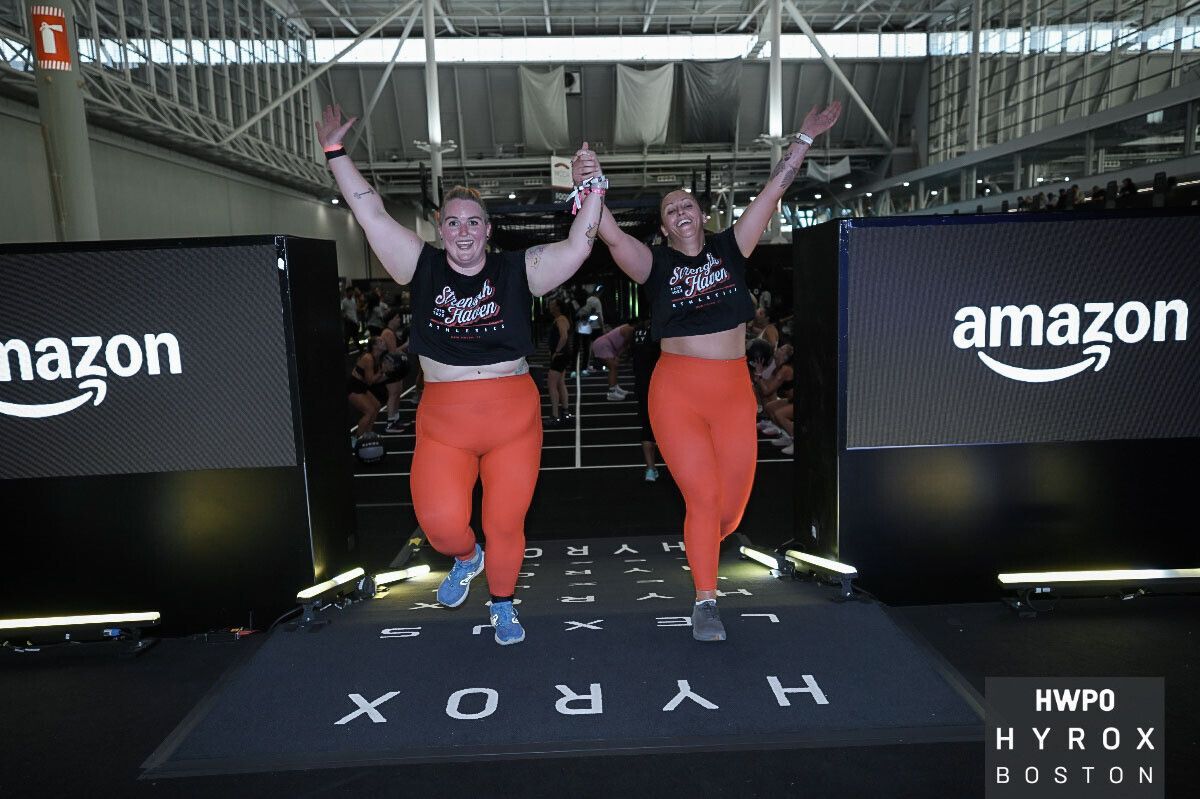
Takeaways as a Powerlifter During My First HYROX Race
You felt fine waking up but your fitness tracker says otherwise. Now what?
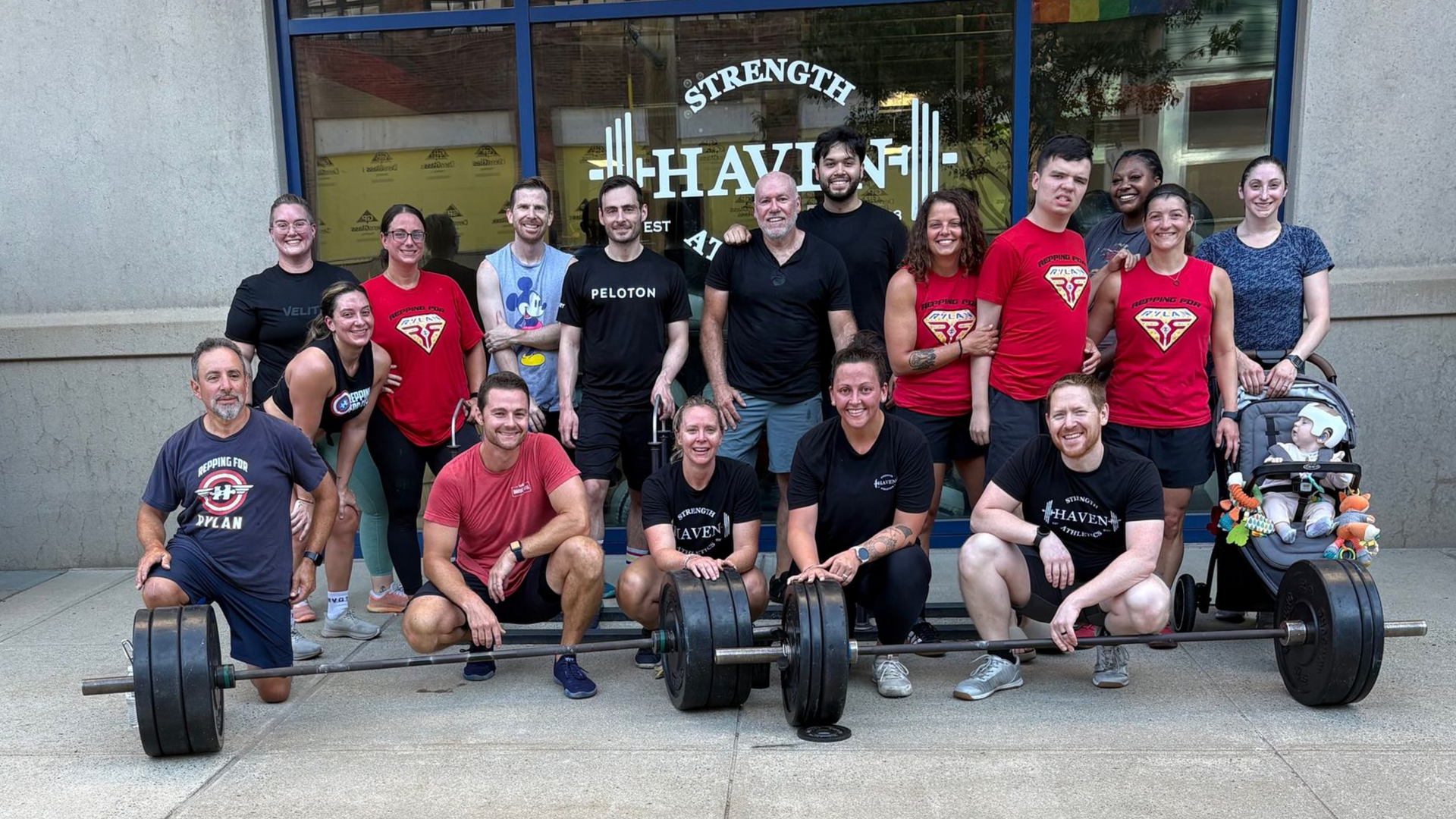
Repping for Rylan is a community workout, celebrating Rylan and neurodiversity while raising funds for his local classroom.
"You don't have to get in shape before joining a gym. Just walk through the door."
Our top 10 hot takes that you’d be hard-pressed to change our minds on
Semi-Private Training is the sweet spot between personal training and group fitness.
"Take the leap, cause that’s all life is. And you’ll be better for it."
What's in a shoe? And which one should you be wearing?
"Stick with it. Strength doesn't happen overnight."
Why Most People Quit Their Fitness Journey Before They Ever See Results