Why Strength Training Makes Running Feel Easier - Even at the Same Pace
Make running feel more effortless by getting stronger.
Running is supposed to give you that floaty, wind‑in‑your‑face, “look at me gliding like a gazelle” feeling. Yet for many runners, it can feel more like trudging through invisible mud. Same pace, same route, same playlist - yet it somehow takes twice the effort. When runs feel harder than they should, most people assume the fix is simple: run more. Add mileage. Add pace work. Add early mornings you definitely didn’t sign up for. There is a better way that doesn’t demand extra miles or sacrifice your knees to the pavement gods: strength training. This is the not‑so‑secret weapon that makes running feel easier, smoother, and less draining on your energy stores, even when your pace doesn’t change.
Your Legs: The Runner's Power Plant
Picture your body as a power plant. Every step you take is a little electricity output. When your muscles are weak, you’re basically running on an aging generator powered by three squirrels and a questionable rubber band. When you strengthen your muscles, you upgrade to a high‑capacity system and get less effort for the same output. That’s why two runners can run side by side at the same pace, yet one looks like they’re smooth sailing while the other looks like they're reenacting a tragic scene from a survival documentary. Stronger muscles generate more force with less cost.
Stronger Muscles = Lower Energy Drain
Every stride (i.e. every running step you take) requires force. If your muscles can’t produce enough force to drive your forward, your body compensates by recruiting extra muscles, using more oxygen, and increasing overall fatigue. Strength training builds the tissue that propels you forward:
- Glutes that propel you forward and stabilize your pelvis
- Hamstrings that transfer force through your legs while propelling and braking when needed
- Calves that bounce you off the ground and are conditioned to absorb shock from each stride
When your muscles are stronger, you don’t work as hard. The same pace feels lighter, and smoother...which is the whole point.
Fatigue Breaks Down Form (And Form Breaks Down Everything Else)
Even the most beautiful runner’s stride can eventually fall apart under fatigue. It starts with a little hip wobble, then shoulders roll forward. Arms cross the body and the torso collapses. Suddenly your stride looks like that shopping cart that won't quite move in a straight line. This happens because strength holds your form together.
Weak Core + Weak Hips = Energy Leaks Everywhere
When the muscles around your spine, pelvis, and hips are unable to support the demands of a running session, your body leaks energy elsewhere. In other words, energy is wasted instead of being effectively converted into movement. You lose:
- Stability
- Alignment
- Power transfer
- Your will to live (ok maybe not...but depends on who you ask)
Strength training reinforces those zones so they stay engaged even during mile 10, 12, or 20. A stronger core isn't about six‑pack abs—its about maintaining a stable trunk that anchors your stride. Stronger hips that keep your knees tracking straight and your feet landing where they should, not wherever gravity tosses them. When your form takes longer to fatigue, your pace stays steady and your effort stays manageable.
Why This Matters for Your Running
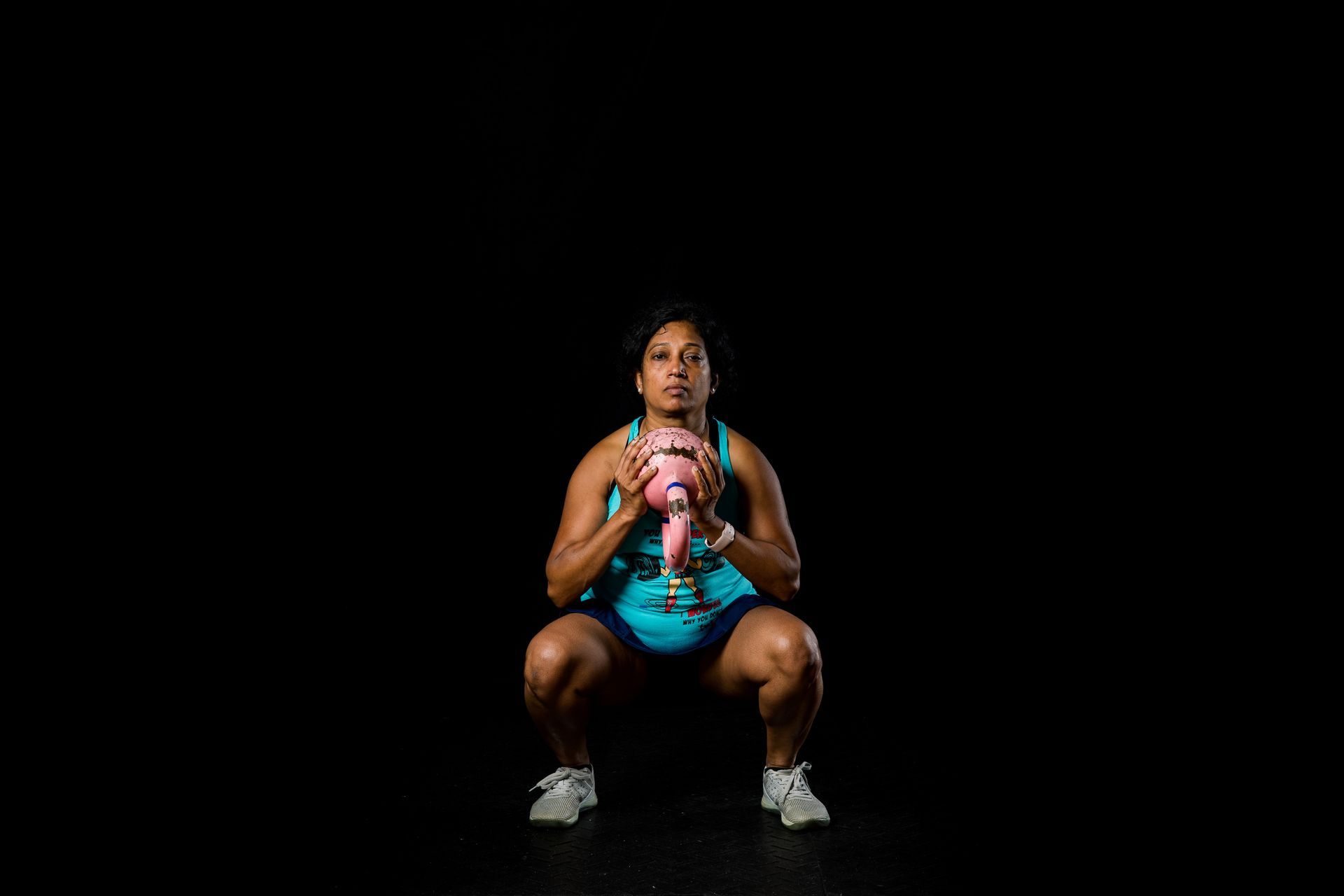
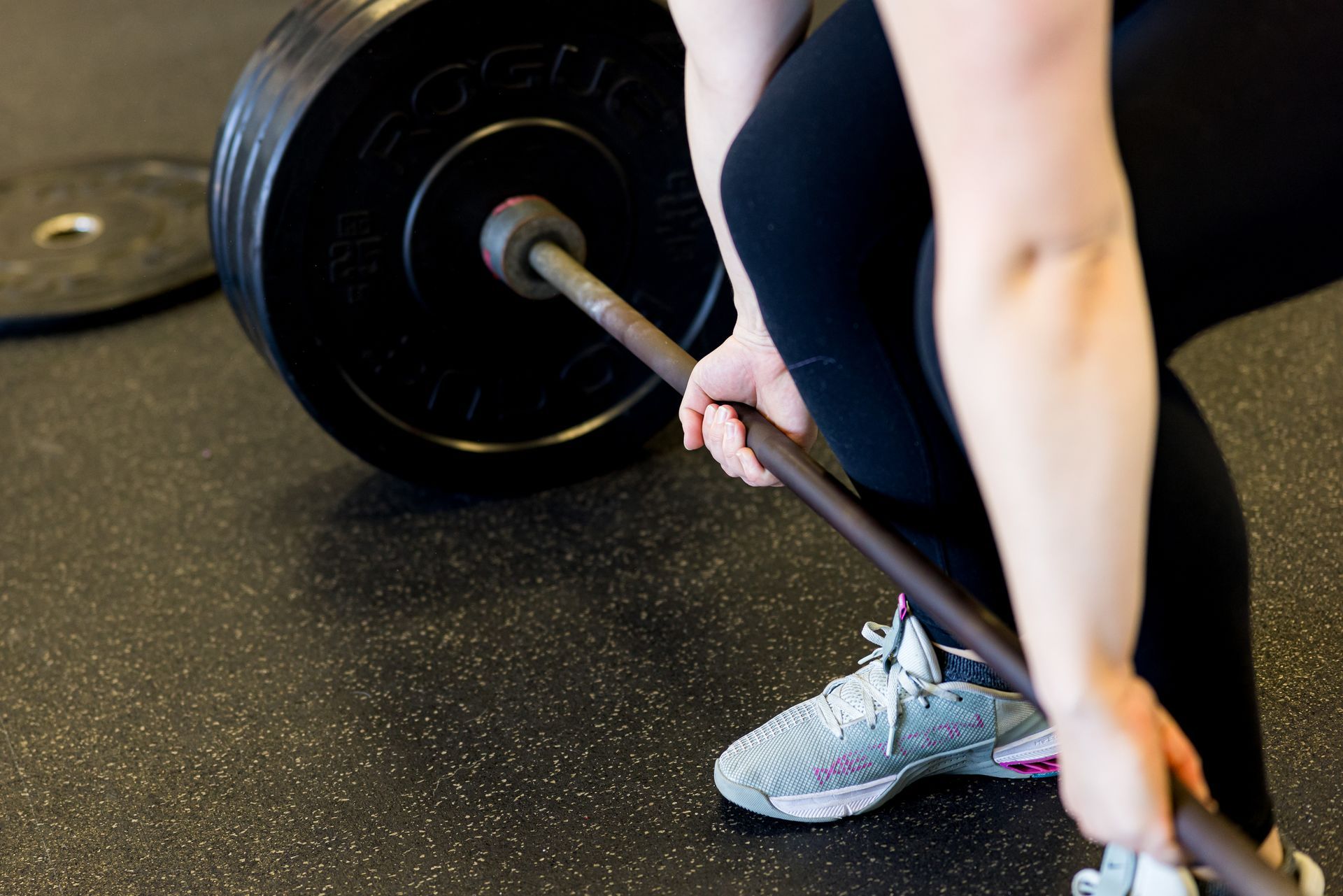
Here’s the not-so-secret: You don’t have to become a powerlifter or spend hours in the gym to feel this difference. Just a couple weekly sessions of compound lifts (yes, just the classics) can make running feel noticeably easier:
- Squats
- Deadlifts
- Lunges
These movements teach your body to generate force, stabilize under load, and coordinate your muscles so running becomes a natural extension of your strength instead of a test of your survival. The best part is you don’t need to chase huge numbers or fancy, complicated exercises. Moderate loads produce big changes in running economy. Your pace stays the same, but your perceived effort drops.
Conclusion: Make Running Feel Effortless by Getting Stronger
If you want running to feel easier (not just faster or stronger), strength training is the key. Strong muscles support powerful strides, efficient movement, and stable form under fatigue. All of that adds up to a smoother, lighter, more enjoyable run. Your legs don’t necessarily need more miles - they need more muscle. Build the strength, and the flow will follow.
Our Advice: Start with two 30-60 minute sessions per week of compound lifts like squats, deadlifts, and lunges. Prioritize good form and progressive resistance, and you’ll notice changes in how your runs feel within a few weeks. Our trainers do the mental lifting for you, writing and guiding workouts so you can focus on running with ease instead of getting lost in the latest gym-fluencer post about the best workout. Schedule your no sweat intro session today to start running easier.