Start 'Em Young: Teaching Kids to Build Healthy Exercise Habits
Torrie Long • April 6, 2026
Start ‘Em Young: Teaching Kids to Build Healthy Exercise Habits
Many of us likely dabbled in sports as kids but, if you’re like me, probably never developed a well-rounded, year-long routine. Most of us don’t truly find our “groove” in the gym until our late teens or early adulthood. Still others may not get started until later in life, when our bodies change and we know it is time to take control to be able to live our best lives.
Research continues to show that early, consistent exposure to the gym and healthy training habits at a young age set kids up for success as they age. From developing positive associations with exercise to reducing risk of injury and disease, youth strength and conditioning training, not just sport-specific training, is an integral part of developing healthy young adults.
Benefits of Youth Resistance Training
When people hear “strength and conditioning for kids,” they often associate the term with extreme fitness documentaries or old fears about stunting children’s growth. In reality, the forces placed on joints of young athletes in regular sports participation may be greater and harder to predict than an appropriately designed youth training program. Exercise scientists and clinicians agree that resistance training in children and adolescents is safe and effective when the program is appropriately designed (considering the maturity and abilities of the participants) and supervised by a qualified professional.
Injury Risk Reduction
One of the biggest benefits of youth training is actually keeping kids in the game.
A well-rounded strength and conditioning program helps build coordination, balance, and body awareness. Kids learn how to land, decelerate, and control their bodies—skills that directly translate to sport and everyday life. They will also strengthen their bones, muscles and connective tissue to lower the risk of injury as their bodies grow.
Instead of only practicing sport-specific movements, often leading to overuse, they build a more complete athletic foundation. This is especially important as kids begin to specialize in one sport earlier in life.
Stronger Bone Density & Long-Term Health
Resistance training—whether that’s bodyweight movements, light external load, or even things like jumping and sprinting—helps stimulate bone growth. This is critical for increasing bone mineral density in children and adolescents, leading to stronger bones now and later in life. This sets the foundation for decades to come, reducing the risk of conditions like osteopenia and osteoporosis.
Young athletes are not just training for the next season; they’re training for the next 50 years.
Decreased Risk of Obesity
Kids who feel confident and capable in a gym environment are far more likely to stay active as they get older. Creating a positive relationship with exercise early facilitates this relationship with exercise. Consistent exercise and balanced nutrition play a major role in maintaining a healthy body composition and reducing the risk of obesity.
Most importantly, this reframes exercise as something they get to do, not something they have to do.
Increased Insulin Sensitivity
Strength training improves how the body processes and uses energy by using and creating more muscle tissue. Better insulin sensitivity means the body is more efficient at managing blood sugar levels, which plays a key role in preventing metabolic diseases like type 2 diabetes.
While that might sound like something we only worry about in adulthood, these adaptations start early, and the habits that support them are the bedrock of building healthy teens and adults.
How to Start
The goal with youth training isn’t to create mini elite athletes overnight (or at all!). The goal is to build confidence, competence, and consistency.
Here’s where I recommend starting:
1. Find the Right Environment
Not all training is created equally. This is especially true for kids.
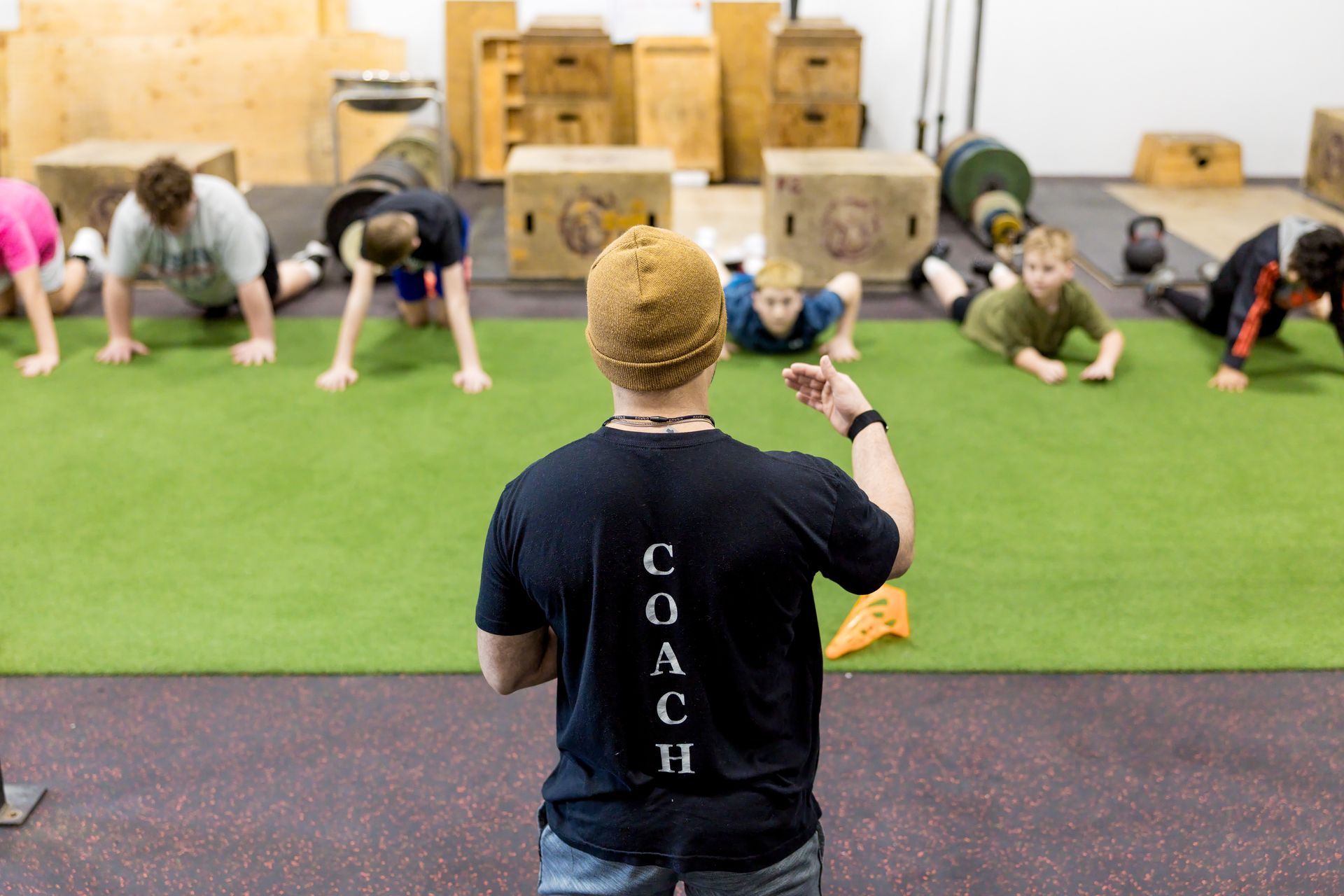
Look for a coach or program that understands youth development not just physically, but psychologically. Kids aren’t just smaller adults. They need coaching that meets them where they are, keeps things engaging, and emphasizes learning over performance.
A good youth program should focus on:
- Movement quality over the amount of weight lifted
- Skill development (squatting, hinging, pushing, pulling, running, jumping)
- Encouragement and confidence-building
- Age-appropriate structure and expectations
Kids should be challenged while being supported by their coach.
2. Build a Sustainable Schedule
More is not always better. Young athletes are already juggling school, organized sports, and a social life.
Keep it simple: two days per week is often enough to see benefits and build consistency. The goal is to add structure without creating stress or burnout. Consistency beats intensity every time.
3. Keep It Fun (Yes, Really)
If kids don’t enjoy the process, they won’t stick with it.
That doesn’t mean it’s all games, but it should feel engaging. Good coaching blends structure with variety, challenge with success, and effort with enjoyment.
When kids leave feeling accomplished, they come back wanting more.
4. Focus on Progress, Not Perfection
Kids don’t need perfect technique on day one. They need reps, exposure, and good coaching.
Celebrate small wins:
- Moving better than last week
- Trying something new
- Showing up consistently
Confidence is built through evidence or clear progress. Pointing out the small wins like improved technique helps young athletes see their improvement without putting too much emphasis on competition. Those small wins add up quickly.
The Bigger Picture
Youth training isn’t about chasing early competitive performance or pushing kids too hard, too soon. It’s about giving them tools to move well, stay healthy, and build confidence in what their bodies can do.
When done right, strength and conditioning training becomes a foundation for life, not just a supplement to organized sports practice. The earlier we can introduce that foundation, the more successful young athletes are.
Takeaways as a Powerlifter During My First HYROX Race
You felt fine waking up but your fitness tracker says otherwise. Now what?
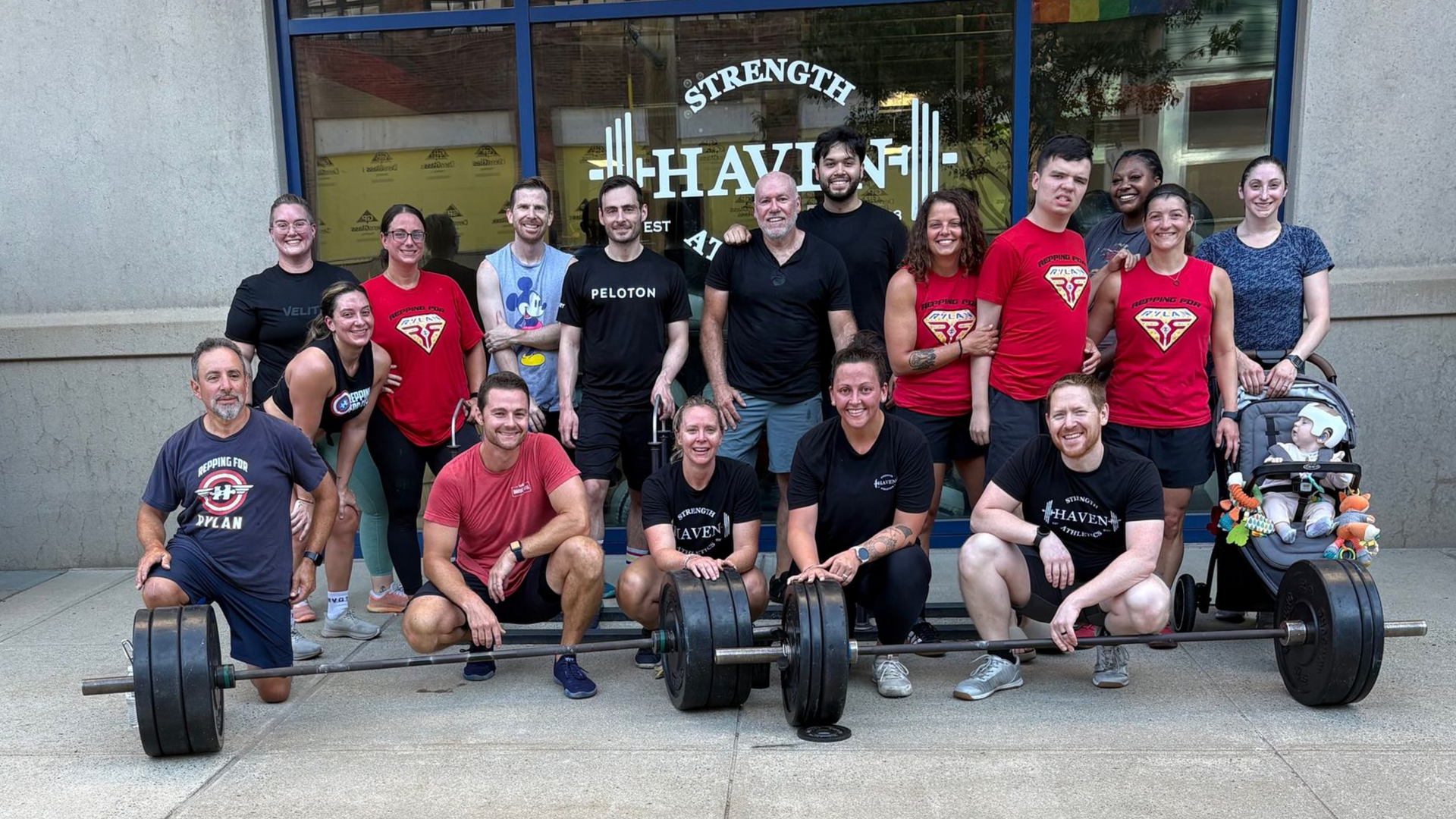
Repping for Rylan is a community workout, celebrating Rylan and neurodiversity while raising funds for his local classroom.
"You don't have to get in shape before joining a gym. Just walk through the door."
Our top 10 hot takes that you’d be hard-pressed to change our minds on
Semi-Private Training is the sweet spot between personal training and group fitness.
"Take the leap, cause that’s all life is. And you’ll be better for it."
What's in a shoe? And which one should you be wearing?
"Stick with it. Strength doesn't happen overnight."
Why Most People Quit Their Fitness Journey Before They Ever See Results