How Cardio Training Benefits Strength Training
Being a strength athlete doesn't mean you shouldn't do cardio
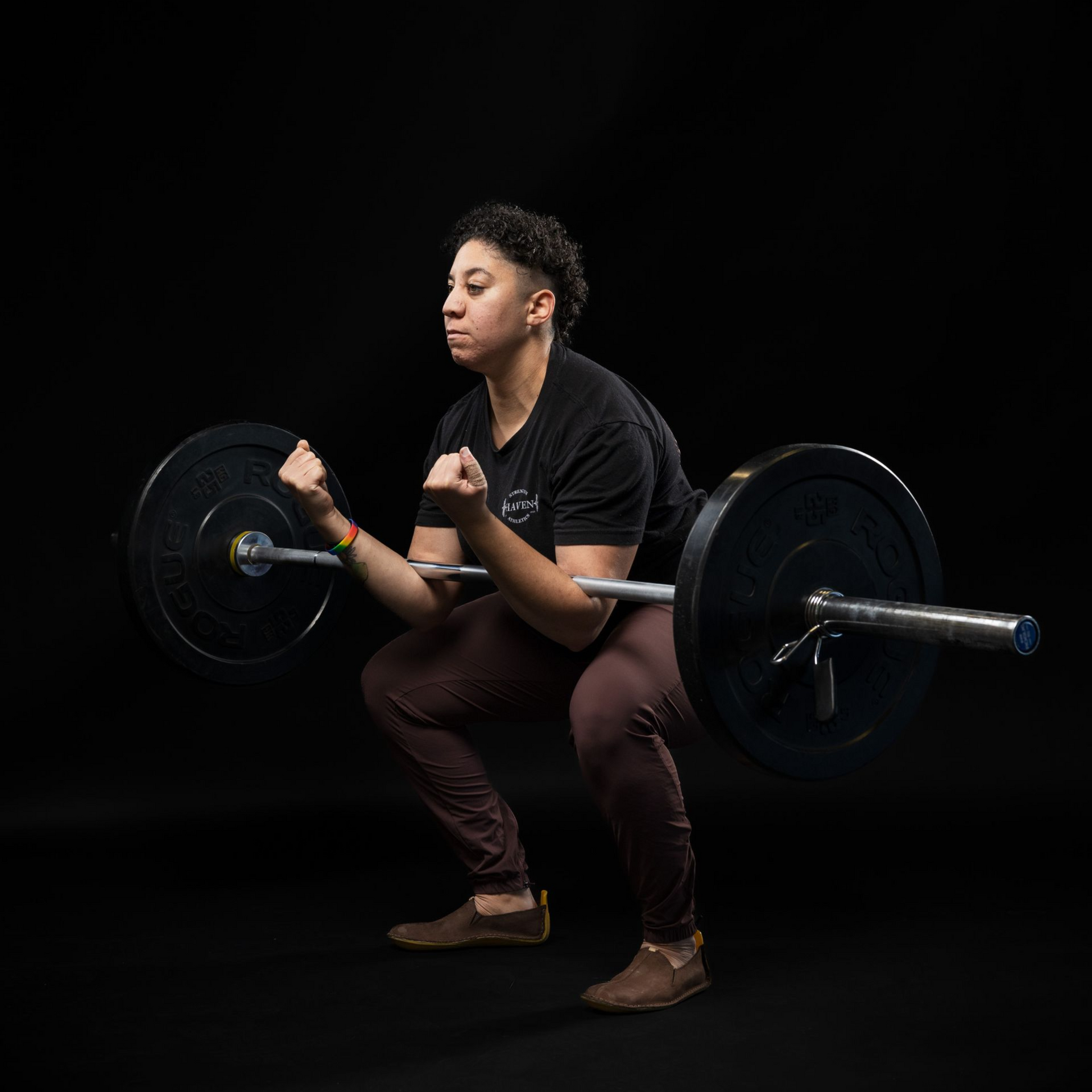
Last week, we told you all about why runners need to strength train, but what about lifters? Okay, you don’t need to run necessarily, but you do need to train one of the most important muscles in your body: your heart. To put it (very) simply, the heart works to pump blood to all parts of the body, delivering oxygen and nutrients to your organs. Without it, you’re dead. Literally.
Before you roll your eyes and scroll past, I am a strong believer in making your main form of exercise the one you enjoy, while adding in the things you need. Do you love to run or do yoga? Then run or do yoga - and add in some strength training a couple of times a week to stay balanced. Do you love to lift heavy or chase a pump? Then lift heavy or chase that pump - and add some cardio a couple of times a week. See the pattern?
Strength training is extremely beneficial for building strong bones and joints that will last long into your later years. But that won’t do you much good if you’re winded from walking up the stairs or can’t run after your kids (grandkids, pets - whoever fits that role in your life). If you are a competitive strength athlete, adding cardio to your training routine helps ensure you can push your body’s limits for decades to come.
Bracing Under Heavy Load
When you put your body under heavy load, it’s not just your muscles and bones working hard. When you brace and hold your breath during a heavy lift (also known as the Valsalva maneuver) your blood pressure and heart rate drastically increase, placing significant demands on the heart and connected blood vessels. Building a strong heart ensures your body can tolerate this type of pressure, and the extreme fluctuations in blood pressure, while lifting heavy.
Recover After Working Sets
Ever wondered why you start breathing heavily, your heart races, or you feel shaky after a heavy lift or large set? Powerlifters and weightlifters joke about the “sneaky cardio” of these sets, but it’s not entirely untrue. The increased blood pressure from a prolonged brace, reduced oxygen from breath-holding, and the high oxygen demand from muscle recruitment all play a role.
Once your body is able to relax, your respiratory rate increases. Your lungs work harder to bring oxygen in and remove carbon dioxide. Your heart pumps faster to deliver oxygen to working muscles so they can recover and keep moving. When your cardiovascular system is healthy, this “out of breath” feeling subsides more quickly and you’re ready for the next set (lifters: this is also why your coach makes you rest between sets). A weakened system, however, takes longer to recover.
How Cardio Exercise Benefits Strength Training
Long-term strength training teaches your muscles to move more efficiently, demanding less oxygen while producing less carbon dioxide. Regular cardiovascular training strengthens your heart and lungs, improving overall circulation. These two systems work hand in hand to support athletic performance.
Faster Recovery Between Sets
A strong aerobic system increases your work capacity and improves your recovery rate between sets. Cardio training generally lowers your resting heart rate and teaches your body to deliver oxygen more efficiently. This allows you to work harder for longer periods and recover faster between sets.
Better Nutrient Delivery to Your Muscles
Cardio training conditions the body to deliver nutrients more efficiently to muscle tissue, which helps reduce soreness between workouts. If your coach has ever told you that your body will adapt to training and soreness will decrease over time, this is one reason why. As exercise places repeated demands on the body, the body adapts. Adding light cardio after a heavy lifting session or on an “active recovery” day increases blood flow, improving nutrient delivery to muscles and helping reduce soreness and fatigue.
Lower Risk of Disease
Both cardio and strength training lower your risk of disease in different, complementary ways. Strength training builds muscle mass, improving blood glucose storage and usage. Cardio training helps muscles absorb glucose and convert it into energy. Together, they decrease the risk of Type II diabetes and improve insulin sensitivity.
Strength training also reduces the risk of heart disease, stroke, and high blood pressure by lowering the likelihood of metabolic syndrome through increased muscle mass. Cardio training complements this by keeping the heart and blood vessels strong enough to handle daily demands or, for strength athletes, the stress of loading and moving hundreds of pounds in a single session.
Conclusion: Strength and Cardio Are Two Sides of the Same Coin
When it comes to taking your strength training to the next level and truly rounding out your fitness routine, cardiovascular training should be part of the equation. This doesn’t require a total overhaul of your program, just small additions like a light cardio finisher after some training sessions or getting your heart pumping a bit more on non-lifting days.
Test Your Cardio Capacity
VO₂ max testing, along with other biomarkers, can be valuable tools for understanding your long-term health and determining what is (or isn’t) working in your fitness routine. That’s why we’ve partnered with VO Health, a New Haven–based company focused on developing advanced biomarkers to measure healthspan, longevity, and physiological resilience.
VO Health matches our philosophy of measuring and improving how the body performs, adapts, and recovers, focusing on overall health and performance rather than simply reacting to disease. Sign up for your free VO₂ max test with VO Health right here at Strength Haven Athletics on June 14th and 15th.