The Truth About Fat Loss: Cardio vs. Strength Training
Torrie Long • June 17, 2026

The Truth About Fat Loss: Cardio vs. Strength Training 

A common goal many people walk into the gym with is fat loss. Whether you call it “losing weight” or “toning your body”, chances are the aesthetic you are looking for is more about fat loss (and muscle tone) than a specific number on the scale. Cue the great debate: Should I be doing more cardio or lifting more weights? Look around any gym and you will see people firmly planted on one side or the other - endless treadmill sessions or heavy strength workouts. Fat loss, however, is about understanding how both cardio and strength training work together and finding the right balance for you. 
 

Cardio: The Calorie Burner 

Cardio (running, biking, rowing, or even brisk walking) is often people’s go-to exercise for fat loss because it burns calories quickly, and it can feel like the most direct path to moving the needle in terms of how your clothes fit and changing the number on the scale. 


Benefits of Cardio: 

  • Immediate calorie burn: Cardio uses more calories during the workout itself, helping you achieve calorie deficit. 
  • Heart health: Regular cardiovascular exercise improves endurance, circulation, and overall heart function. 
  • Accessibility: You don’t need much experience or equipment to get started. 

 
While cardio burns calories during the session, that is generally where it ends, and it doesn’t do much to
preserve or build muscle mass. Muscle is a key player in long-term fat loss. 


Strength Training: The Metabolic Booster 

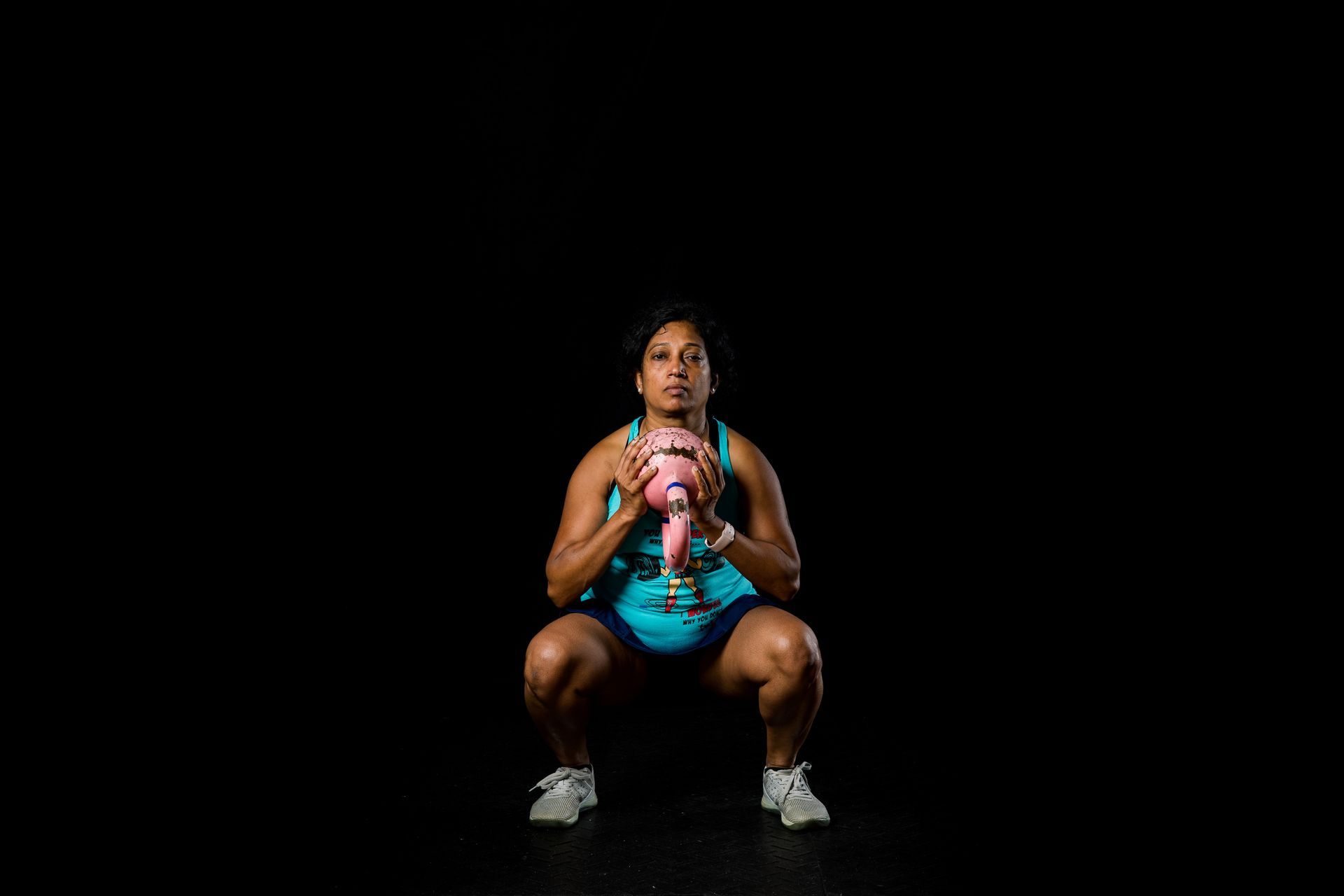
Strength training (lifting weights, using resistance bands, or even bodyweight exercises) doesn't always feel as sweaty or calorie-crushing as cardio, making it easy to overlook when it comes to changes in body fat percentage and body composition. The impact of strength training goes further than the instant benefits during your workouts. 


Benefits of Strength Training: 

  • Builds lean muscle: Muscle tissue burns more calories at rest than fat (therefore raising your basal metabolic rate - the number of calories your body needs to simply exist). 
  • Boosts metabolism: After a strength session, your body continues to burn calories as it repairs and rebuilds muscle (the “afterburn effect”). 
  • Improves body composition: You might not see the scale move dramatically (or it may even go up), but you’ll look and feel leaner, stronger, and more toned as your body begins to build muscle. 

Strength training helps ensure that the weight you lose is fat and not muscle. This is crucial because losing muscle can actually slow your metabolism over time and contribute towards age-related complications. 


The Common Mistake: Choosing One Over the Other 

Many people fall into one of two traps: 

  • Too much cardio, not enough strength leading to muscle loss, stalled progress, and plateaued results. 
  • Only lifting, ignoring cardio which may limit calorie burn and cardiovascular health. 

Fat loss is about what your body does all day, every day, not just what your body burns during a workout. It all comes down to balance in your fitness regimen. The most effective fat loss strategy combines strength training and cardio in a sustainable way. 


Think of it like this: strength training builds the engine (your metabolism) while cardio spurs on the daily calorie deficit and drives cardiovascular health. 


A Balanced Approach Might Look Like: 

  • 3–4 strength training sessions per week 
  • 2–3 cardio sessions (moderate or high intensity) 
  • Daily movement (steps, activity, lifestyle habits) 

This combination helps you to burn calories efficiently while still maintaining or building muscle and improving your overall health. Most importantly, balance helps avoid burnout and boredom around your workouts. Find exercise that makes you feel accomplished and fulfilled. 


While workouts are important, remember that fat loss ultimately relies proper nutrition. Exercise can help build body composition and increase calorie deficit but how you fuel your body affects true changes in fat loss and muscle gain (especially protein intake). A plan you can stick to, building consistency over time and allowing your body to recover (with adequate sleep) will ensure long-lasting results throughout your life. No single workout style can “out-train” poor habits or inconsistency. A smart combination of strength and cardio is where sustainable change happens. 


Find Your Balance 

There’s no universal formula or “perfect” plan for fat loss. Your schedule, preferences, and goals all play a role. The key is to find a routine that challenges you, fits your lifestyle, and keeps you coming back. The “best” program is always the one you can stay consistent with. 


Ready to Take the Next Step? 

If you’re not sure where to start (or you feel stuck with your current routine) we can help. 


👉 Not a member yet? 
Set up a
No Sweat Intro Session. We’ll sit down, talk about your goals, and map out a personalized plan that works for you. 


👉 Already a member? 
Book a
Goal Review Session with a coach to make sure your training is aligned with where you want to go - and adjust if needed. 


Real results come from the right plan and the right support. Let’s build both together. 💪 
By Torrie Long June 11, 2026
Progressive Overload Explained Simply (and Why It Matters)
By Torrie Long June 3, 2026
"Find the right balance between doing things you're good at and enjoy, and the skills that take a lot more work."
By Torrie Long May 27, 2026
And this means you, group fitness faithfuls and open gym heroes.
By Torrie Long May 19, 2026
“Don’t be afraid to get out of your comfort zone - and trust the journey.”
By Torrie Long May 13, 2026
The next step for advanced Strength & Conditioning athletes
By Torrie Long May 6, 2026
Being a strength athlete doesn't mean you shouldn't do cardio
April 30, 2026
Make running feel more effortless by getting stronger.
By Torrie Long April 16, 2026
A question I have been asked often throughout the years is, “How do I know if I am ready to compete?” Generally, this comes from my powerlifting clients, but I strongly feel that the answer across powerlifting, Olympic weightlifting, and functional fitness competitions remains the same. The answer comes in the form of a few questions: Do you want to compete? Can you complete the necessary lifts or movements to competition standards? Are you willing to put in the work to prepare for competition and listen to your coach’s guidance? If the answer to all of those questions is “yes,” you’re ready to compete! There is a false belief held by many beginners that you need to be able to lift a certain amount of weight or perform at a certain level to be welcomed into competition, but that is simply not true. It can be a big, scary step to get on the platform or competition floor for the first time, but chances are the people you are most nervous to compete with are thrilled to have you there and are cheering you on. Let’s explore those three key questions a little deeper. Do You Want to Compete? Although I think all three questions are equally important, do you want to compete? is the initial spark that needs to be lit in an athlete’s heart before the other pieces of competition prep can even be considered. As a coach, I can identify someone I want to see on the competition floor or someone I think would perform well—but if it’s not something they want to do, then it’s a moot point. It is my job as a coach to help athletes achieve their individual goals, not build my portfolio by forcing someone to train in a way that does not serve them. Likewise, if an athlete tells me they want to compete, then let’s freaking go! This doesn’t mean they’re ready to hop on the floor tomorrow, but it does kick off a new, higher standard I will hold them to in order to get competition-ready—which leads nicely into the next point. Can You Complete the Necessary Lifts or Movements to Competition Standards? I do not care if you are hitting the platform with the heaviest squat in your weight class. I care that you can perform to the necessary standards to make whatever you put on the floor count. You can lift 30 kg or 300 kg—if it’s your best and it’s performed to standard, then I am a proud coach. Winning is great, don’t get me wrong. I am a competitor through and through and love a spot on the podium—but sometimes other people show up stronger, faster, or more skilled. If you’re always the best in the room, where’s the fun in the challenge? The best and longest-lasting competitors are the ones who understand how to win and lose well: those who put their best out there every time and accept that sometimes their best may not be enough to win. If you are ready to compete in theory , you also need to be ready to compete physically . If you cannot perform the necessary lifts or movements to competition standards—and the event does not have a “fun” or “foundational” division—then you’re not quite ready yet. I would not be a good coach if I put someone on the platform who cannot squat below parallel, lock out a deadlift, and so on. There is no joy in putting someone on the floor only to watch them struggle because judges are constantly calling “no rep.” If your coach tells you that you aren’t ready yet , it’s because they care and want you performing your best on competition day. Are you willing to trust your coach to get you to that big day? Are You Willing to Put in the Work and Listen to Your Coach’s Guidance? Competition prep is not easy. Athletes spend countless hours training, being mindful of nutrition, and prioritizing recovery. If you’re not willing to put in the work, then I’m not going to waste either of our time coaching you through prep and competition. During prep, you should expect at least three days (though more often four to five) of dedicated programming and a focused recovery plan. This means showing up to your workouts regardless of how you feel and planning your weeks to ensure you have the time to put in the work. For some, that may mean an earlier bedtime; for others, saying “no” to extra physical activities or social events. It might mean dialing in nutrition—upping protein and carbs or eliminating alcohol. Yes, competition is fun and encouraging—but it is also work . You’re allowed to complain to me about being tired, sore, or unmotivated as long as you still show up and do the work . As your coach, I’m there to support you throughout the process. Sometimes that support looks like tough love (“I know it’s hard. It’s supposed to be. Do your set.”), and sometimes it looks like adjusting the program. Communication is key, especially deeper into prep when fatigue compounds and your mental game isn’t at its sharpest. So ask yourself: Are you ready to make the necessary changes? Are you willing to show up no matter how you feel? Can you communicate with your coach and accept tough love when it’s needed? Sign Up and Do the Damn Thing If you’re still feeling the itch to compete after all of this, stop dragging your feet. Sign up. Tell your coach you’re in. Do the damn thing. As a competitive athlete for much of my life, I know the drive to compete, the frustrations of prep, the anxiety of stepping onto the competition floor, the exhilaration of performing well, and the crash that comes after it’s all over. Every part of that journey matters—and there is a space for you in it if you want it. Ready to kick off your competitive journey? Schedule your goal review or no sweat intro today! We will match you up with a coach if you don't already have one and put you on the path to success.
By Torrie Long April 6, 2026
Many of us likely dabbled in sports as kids but, if you’re like me, probably never developed a well-rounded, year-long routine. Most of us don’t truly find our “groove” in the gym until our late teens or early adulthood. Still others may not get started until later in life, when our bodies change and we know it is time to take control to be able to live our best lives. Research continues to show that early, consistent exposure to the gym and healthy training habits at a young age set kids up for success as they age. From developing positive associations with exercise to reducing risk of injury and disease, youth strength and conditioning training, not just sport-specific training, is an integral part of developing healthy young adults. Benefits of Youth Resistance Training When people hear “strength and conditioning for kids,” they often associate the term with extreme fitness documentaries or old fears about stunting children’s growth. In reality, the forces placed on joints of young athletes in regular sports participation may be greater and harder to predict than an appropriately designed youth training program. Exercise scientists and clinicians agree that resistance training in children and adolescents is safe and effective when the program is appropriately designed (considering the maturity and abilities of the participants) and supervised by a qualified professional. Injury Risk Reduction One of the biggest benefits of youth training is actually keeping kids in the game . A well-rounded strength and conditioning program helps build coordination, balance, and body awareness. Kids learn how to land, decelerate, and control their bodies—skills that directly translate to sport and everyday life. They will also strengthen their bones, muscles and connective tissue to lower the risk of injury as their bodies grow. Instead of only practicing sport-specific movements, often leading to overuse, they build a more complete athletic foundation. This is especially important as kids begin to specialize in one sport earlier in life. Stronger Bone Density & Long-Term Health Resistance training—whether that’s bodyweight movements, light external load, or even things like jumping and sprinting—helps stimulate bone growth. This is critical for increasing bone mineral density in children and adolescents, leading to stronger bones now and later in life. This sets the foundation for decades to come, reducing the risk of conditions like osteopenia and osteoporosis. Young athletes are not just training for the next season; they’re training for the next 50 years. Decreased Risk of Obesity Kids who feel confident and capable in a gym environment are far more likely to stay active as they get older. Creating a positive relationship with exercise early facilitates this relationship with exercise. Consistent exercise and balanced nutrition play a major role in maintaining a healthy body composition and reducing the risk of obesity. Most importantly, this reframes exercise as something they get to do, not something they have to do. Increased Insulin Sensitivity Strength training improves how the body processes and uses energy by using and creating more muscle tissue. Better insulin sensitivity means the body is more efficient at managing blood sugar levels, which plays a key role in preventing metabolic diseases like type 2 diabetes. While that might sound like something we only worry about in adulthood, these adaptations start early, and the habits that support them are the bedrock of building healthy teens and adults. How to Start The goal with youth training isn’t to create mini elite athletes overnight (or at all!). The goal is to build confidence, competence, and consistency. Here’s where I recommend starting: 1. Find the Right Environment Not all training is created equally. This is especially true for kids. Look for a coach or program that understands youth development not just physically, but psychologically. Kids aren’t just smaller adults. They need coaching that meets them where they are, keeps things engaging, and emphasizes learning over performance. A good youth program should focus on: Movement quality over the amount of weight lifted Skill development (squatting, hinging, pushing, pulling, running, jumping) Encouragement and confidence-building Age-appropriate structure and expectations Kids should be challenged while being supported by their coach. 2. Build a Sustainable Schedule More is not always better. Young athletes are already juggling school, organized sports, and a social life. Keep it simple: two days per week is often enough to see benefits and build consistency. The goal is to add structure without creating stress or burnout. Consistency beats intensity every time. 3. Keep It Fun (Yes, Really) If kids don’t enjoy the process, they won’t stick with it. That doesn’t mean it’s all games, but it should feel engaging. Good coaching blends structure with variety, challenge with success, and effort with enjoyment. When kids leave feeling accomplished, they come back wanting more. 4. Focus on Progress, Not Perfection Kids don’t need perfect technique on day one. They need reps, exposure, and good coaching. Celebrate small wins: Moving better than last week Trying something new Showing up consistently Confidence is built through evidence or clear progress. Pointing out the small wins like improved technique helps young athletes see their improvement without putting too much emphasis on competition. Those small wins add up quickly. The Bigger Picture Youth training isn’t about chasing early competitive performance or pushing kids too hard, too soon. It’s about giving them tools to move well, stay healthy, and build confidence in what their bodies can do. When done right, strength and conditioning training becomes a foundation for life, not just a supplement to organized sports practice. The earlier we can introduce that foundation, the more successful young athletes are.
March 30, 2026
A 42-year-old walks in to a gym (no this isn't the start of a bad joke) and starts training exactly the way they did at 24. Same workouts and intensity. Same expectations about how it will feel and the results they will receive. Then, when it stops working, they assume something is wrong with them or that "it's all downhill now." Here's the truth: nothing is wrong with you. The problem is that your fitness goals never evolved with your lifestyle. Fitness isn’t meant to stay frozen in time. It’s more like a long road trip than a single destination. The scenery changes. The terrain shifts. And if you keep driving like you're still on the highway when the road turns into mountain switchbacks, things get messy. As we age, our responsibilities and priorities change. Our bodies change and our fitness goals and routines should shift, too. The Problem: Doing the Same Workouts Forever Most people start their fitness journey in their 20s when the goals are often simple and loud: Build muscle Look good Lift heavier weights Run faster Challenge your body There’s nothing wrong with those goals. In fact, they’re great motivators. Bodies in their 20s are still fresh and learning how to use their full potential. They recover quickly and are surprisingly tolerant of the abuses we throw at them. You can stay up late, eat questionable food, sleep five hours, and still crush a workout the next day. But eventually, life begins adding a little… mileage. Careers grow, families expand, and sleep becomes a precious commodity. Y et many people keep chasing the exact same training goals they had years ago and frustration begins to creep in. Workouts that once produced dramatic progress start producing soreness, fatigue, and the occasional mysterious knee noise that sounds like stepping on bubble wrap. And no, i t’s not because you’re “getting old.” It’s because you’re using a strategy designed for a different stage of life. The Shift: From Performance to Longevity As you move through life, the purpose of fitness slowly evolves. It often follows a pattern like this: In Your 20s: Performance and Appearance Your focus is usually external. Bigger muscles, faster times, beating personal records, and maybe even visible abs. You’re exploring your physical limits and discovering what your body can do. It’s exciting, competitive, and sometimes a little reckless—in the best way. In Your 30s: Balance and Sustainability Life becomes busier. You might still love intense workouts, but now they have to coexist with work schedules and responsibilities, family life, limited time, and increased stress. Fitness becomes less about dominating the gym and more about fitting into real life. Efficiency and recovery matter more at this stage in life. Suddenly you regret all those naps you fought as a child. In Your 40s and Beyond: Strength for Life At this stage, the focus shifts toward l ongevity. Fitness becomes the tool that allows you to s tay strong and independent, p rotect your joints and bones, m aintain energy and mobility, and k eep doing the activities you love. Instead of chasing extreme performance, the goal becomes resilience. You’re likely no longer training for the next challenge, but for the next 30 years. The Hidden Danger: Fighting Your Body One of the biggest mistakes people make is trying to force their body to behave like it did decades earlier. This usually leads to two frustrating outcomes: 1. Constant Injuries Ignoring recovery, mobility, and joint health can turn small aches into long-term problems. Suddenly you’re not just sore. Y ou’re sidelined. 2. Burnout When workouts feel like punishment instead of progress, motivation easily disappears. Fitness starts to feel like another exhausting obligation instead of something that supports your life. But when you adjust your training to match your stage of life, y our body starts responding and energy returns. Strength improves. Consistency becomes easier. Instead of fighting your body, you’re finally working with it. What Smart Training Looks Like as You Age Evolving your fitness goals doesn’t mean giving up intensity, big goals, or things you enjoy. Evolving means shifting your priorities toward what matters most long-term. This often includes focusing on: Strength Training and maintaining muscle mass Supporting joint health Protecting bone density Mobility and Movement Quality Keeping joints healthy and reducing injury risk Improving posture Recovery - Better sleep, stress management, and strategic rest days Consistency Sustainable routines with workouts that fit your lifestyle Progress measured over years, not weeks In your early years, fitness is about building the engine. Later in life, it’s about maintaining the entire vehicle so it keeps running smoothly for as long as possible. The Long Game The most successful people in fitness aren’t the ones who trained the hardest for six months - They’re the ones who kept showing up for 30 years. They adjusted their workouts when life demanded it and shifted goals when priorities changed. Successful people treated fitness as a lifelong practice instead of a temporary project. A s a result, they’re still moving well, feeling strong, and enjoying life long after others have slowed down. Co nclusion: Ask a Better Question If you’ve been feeling frustrated with your workouts lately, the solution might not be to push harder but to stop for a second and reassess your goals. Ask yourself one simple question, “What does my body need most right now?” Maybe the answer is strength. Maybe it’s mobility or consistency after a chaotic year. Fitness isn’t about chasing the version of yourself from 20 years ago. It’s about becoming the strongest, healthiest version of yourself today—and setting up the version of you 20 years from now for success. T he real goal of fitness isn’t just looking good for a season. It’s building a body that carries you powerfully through an entire lifetime.